
Thinking about pet insurance can feel a bit much, right? Like, another bill? But honestly, it's about making sure your furry friend is covered if something unexpected happens. Vet visits can get really pricey, really fast, and having pet insurance can help you avoid a huge financial surprise. This article will help you figure out if it's a good idea for you and your pet, and how to find a plan that fits your budget.
Key Takeaways
Pet insurance helps with unexpected vet bills.
Costs depend on things like your pet's breed and where you live.
There are often waiting periods before coverage starts.
Plans for young pets can include preventative care.
Comparing different plans helps you find the best fit.
Understanding Pet Insurance
How Pet Insurance Works
So, how does this whole pet insurance thing actually work? Basically, you pay a monthly premium, and in return, the insurance company helps cover unexpected vet bills. It's similar to human health insurance, but for your furry, scaly, or feathered friends. pet insurance explained It's designed to protect you from huge, unexpected costs if your pet gets sick or injured.
Think of it like this:
You choose a plan and pay your premium.
Your pet gets sick or injured, and you take them to the vet.
You pay the vet bill upfront.
You file a claim with your insurance company.
The insurance company reimburses you for a portion of the bill, depending on your plan's deductible and coverage level.
What Pet Insurance Covers
What exactly does pet insurance cover? Well, it varies from plan to plan, but most policies cover accidents and illnesses. This can include things like broken bones, infections, cancer, and hereditary conditions. Some plans also offer coverage for things like dental care, behavioral therapy, and alternative treatments.
Here's a quick rundown of what's often covered:
Accidents (broken bones, cuts, etc.)
Illnesses (infections, cancer, allergies, etc.)
Hereditary conditions (hip dysplasia, etc.)
Surgery
It's important to read the fine print and understand what your policy covers and what it doesn't. Some policies have exclusions for pre-existing conditions or specific breeds.
Is Pet Insurance Worth It?
Is pet insurance actually worth the cost? That's a question a lot of pet owners ask themselves. The answer really depends on your individual circumstances. If you're someone who would struggle to afford a large, unexpected vet bill, then pet insurance can provide peace of mind. It can help you avoid having to make difficult decisions about your pet's health based on your finances.
Consider these points:
The cost of veterinary care is rising.
Unexpected illnesses and injuries can happen at any time.
Pet insurance can help you budget for pet care costs.
Ultimately, the decision of whether or not to get pet insurance is a personal one. Weigh the costs and benefits, and consider your own financial situation and risk tolerance. If you're still unsure, talk to your veterinarian or a pet insurance company for more info.
Factors Affecting Pet Insurance Costs
Breed and Age Considerations
So, you're thinking about pet insurance, huh? Well, one of the first things you'll notice is that breed and age play a big role in how much you'll pay. Certain breeds are just more prone to certain health issues. For example, larger dogs might have joint problems, and that can bump up the price. Younger animals generally have lower premiums because they're less likely to have developed chronic conditions. As your pet gets older, expect those rates to climb a bit. It's just the way it goes.
Geographic Location Impact
Where you live matters too. Seriously. Vet costs can vary a lot from one place to another. Big cities usually mean higher prices for everything, including vet care. So, if you're in a bustling urban area, your pet insurance might cost more than if you were out in the sticks. It's all about the local market and what vets are charging in your area.
Customizing Your Policy
Okay, so you've got the breed and location thing down. Now, let's talk about how you can tweak your policy to fit your budget. You can adjust a few things:
Deductible: This is how much you pay out-of-pocket before the insurance kicks in. Higher deductible, lower premium. Simple.
Reimbursement Level: This is the percentage of the vet bill the insurance company pays. 70%, 80%, 90% – you pick. Lower percentage, lower premium.
Annual Limit: This is the maximum amount the insurance will pay in a year. Lower limit, lower premium.
Basically, you're playing a balancing act. You want enough coverage to protect you from big bills, but you also don't want to break the bank with the monthly payments. Think about what you can realistically afford and what kind of risks you're willing to take. It's a personal choice, really.
Navigating Waiting Periods and Exclusions
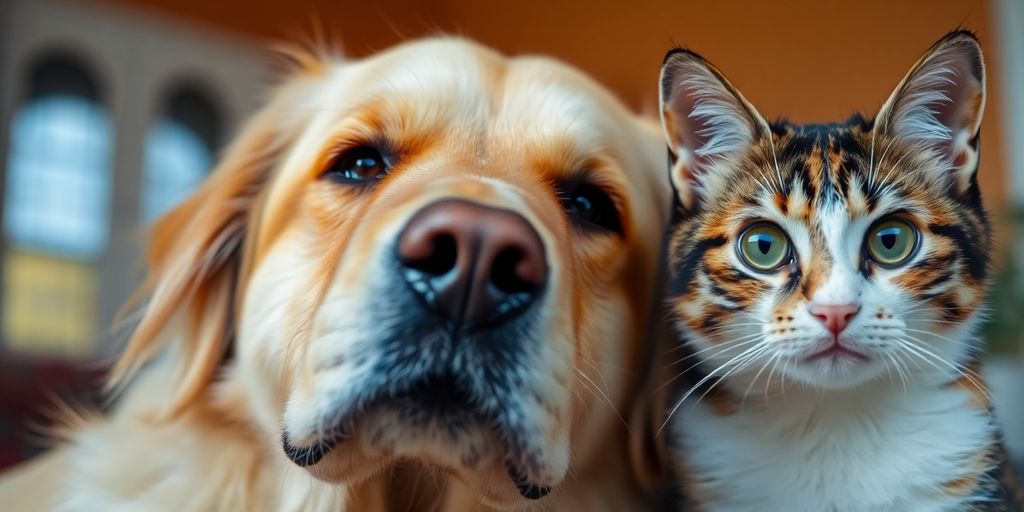
Pet insurance can be a lifesaver, but it's not always immediate. Understanding the fine print, especially waiting periods and exclusions, is super important before you sign up. It can save you from unexpected disappointments down the road.
Understanding Waiting Periods
Waiting periods are the time between when your policy starts and when coverage kicks in. Basically, it's a buffer. Accident coverage usually has a shorter waiting period, sometimes just a day or two. Illness coverage, on the other hand, often has a longer wait, like 14 days. Some policies might even have extended waiting periods for specific conditions, like hip dysplasia. It's important to know these timelines so you aren't caught off guard if something happens shortly after you enroll.
Pre-Existing Conditions Explained
This is a big one. Pre-existing conditions are health issues your pet had before your policy started. Pet insurance companies typically don't cover these. It's not always black and white, though. Some insurers might consider a condition "cured" if your pet has been symptom-free for a certain period. Always check the policy's definition of "pre-existing" to avoid surprises.
Policy Limits and Deductibles
Policy limits are the maximum amount your insurance will pay out, either per incident, per year, or over the pet's lifetime. Deductibles are what you pay out-of-pocket before your insurance starts covering costs. You'll usually have options for different deductible amounts. A higher deductible usually means a lower monthly premium, but you'll pay more upfront if your pet needs care. Here's a quick look at how deductibles can affect your premium:
Deductible | Monthly Premium (Example) |
|---|---|
$250 | $45 |
$500 | $38 |
$750 | $32 |
It's a good idea to think about how much you can comfortably afford to pay out-of-pocket before choosing a deductible. Also, consider if you want an annual deductible or a per-incident one. An annual deductible means you only have to meet it once per policy year, while a per-incident deductible applies to each separate health issue.
Here are some common exclusions to watch out for:
Cosmetic procedures
Breeding or pregnancy-related costs
Preventative care (unless you add a wellness plan)
Pet Insurance for Young Animals

Getting a new puppy or kitten is super exciting! But, it also means thinking about their health from the get-go. Pet insurance can be a lifesaver, especially when they're young and prone to accidents or need those initial vaccinations. Let's look at what to consider when insuring your young furry friend.
Best Pet Insurance for Puppies
Puppies, with their boundless energy, often find themselves in trouble. They might swallow something they shouldn't, take a tumble, or just get into a scuffle at the dog park. Accident coverage is key here. Also, look for plans that cover hereditary and congenital conditions, as some breeds are predisposed to certain issues that might show up early in life. It’s a good idea to enroll in pet health insurance for your dog as early as possible, before chronic health conditions develop, or your dog needs any medical care that could put limitations on your coverage.
Best Pet Insurance for Kittens
Kittens are curious creatures, and like puppies, they can be accident-prone. Plus, they need vaccinations and might have some initial health issues that need addressing. A good pet insurance plan for kittens should cover:
Initial vet visits
Vaccinations
Treatment for common kitten ailments like worms or upper respiratory infections
Consider a plan with a low deductible so you can use it right away without worrying about a huge out-of-pocket expense.
Preventative Care Packages
Some pet insurance companies offer preventative care packages as an add-on. These packages usually cover things like:
Annual check-ups
Flea and tick prevention
Heartworm testing
Spaying/neutering
Microchipping
While these aren't technically insurance (more like a pre-paid healthcare plan), they can help you budget for your pet's routine care and potentially save money in the long run. Plus, some companies let you use these packages the day after you purchase the policy!
Managing Unexpected Vet Bills
Protecting Your Pet's Future
It's tough to think about, but accidents and illnesses happen. One minute your pet is fine, and the next, you're facing a huge vet bill. Pet insurance can really help ease the stress of these situations. It's not just about the money; it's about knowing you can provide the best care without emptying your bank account. Think of it as a safety net for your furry friend's health.
Cost of Common Treatments
Vet bills can vary wildly. A simple check-up might be manageable, but what about a broken leg or a serious illness? Those costs can quickly skyrocket. For example, treating a broken leg can easily cost several thousand dollars. Even something like a swallowed object needing surgery could set you back a significant amount. Knowing the potential costs can help you understand the value of having a plan in place. If you need help with unexpected vet bills, consider Petcard options.
Financial Security for Pet Owners
Pet insurance offers peace of mind. It's about being prepared for the unexpected. Instead of worrying about how you'll afford treatment, you can focus on your pet's recovery.
Here are a few ways pet insurance can provide financial security:
Helps cover the cost of unexpected surgeries.
Reduces the financial burden of chronic illnesses.
Allows you to choose the best treatment options without financial constraints.
Having pet insurance means you don't have to make heartbreaking decisions based solely on cost. It lets you prioritize your pet's health and well-being, knowing you have a financial cushion to fall back on. It's an investment in your pet's future and your own peace of mind.
Choosing the Right Pet Insurance Plan
Choosing the right pet insurance can feel overwhelming, but breaking it down into manageable steps makes the process easier. It's about finding a balance between what you can afford and the level of protection you want for your furry friend. Let's explore the key aspects to consider.
Comparing Pet Insurance Options
When comparing pet insurance, don't just look at the monthly premium. Consider the annual deductible, reimbursement percentage, and annual coverage limit. Some policies might seem cheaper upfront but could end up costing you more in the long run due to higher deductibles or lower reimbursement rates. It's also important to check customer reviews and ratings to get a sense of the company's reliability and customer service. Look at different pet insurance options to find the best fit.
Accident and Illness Coverage
Accident and illness coverage is the most common type of pet insurance. It covers unexpected vet bills resulting from accidents (like a broken leg) and illnesses (like an infection). However, the extent of coverage can vary significantly between policies. Some policies might exclude certain hereditary or congenital conditions, while others might offer coverage for alternative therapies like acupuncture. Make sure you understand exactly what's covered and what's not before making a decision.
Optional Riders and Add-Ons
Many pet insurance companies offer optional riders and add-ons to customize your policy. These can include coverage for routine care (like vaccinations and dental cleanings), behavioral therapy, or even end-of-life expenses. While these add-ons can increase your monthly premium, they can also provide additional peace of mind and help you budget for your pet's overall healthcare needs. Consider if you need accident and illness coverage for your pet.
Selecting the right pet insurance plan involves carefully assessing your pet's individual needs, your financial situation, and the specific terms and conditions of each policy. Don't rush the process, and don't be afraid to ask questions. The goal is to find a plan that provides adequate coverage at a price you can afford, giving you peace of mind knowing that you're prepared for whatever the future may hold.
Here's a simple table illustrating how different policy features can impact your out-of-pocket costs:
Feature | Policy A | Policy B | Policy C |
|---|---|---|---|
Monthly Premium | $30 | $45 | $60 |
Annual Deductible | $500 | $250 | $100 |
Reimbursement Rate | 80% | 90% | 100% |
Annual Coverage Limit | $5,000 | $10,000 | Unlimited |
Ultimately, the best pet insurance plan is the one that meets your specific needs and budget. Take the time to research your options, compare policies, and choose a plan that will provide the financial protection and peace of mind you deserve.
Benefits of Pet Insurance
Peace of Mind for Pet Parents
Let's be real, owning a pet is amazing, but it also comes with worries. What if they get sick? What if they need surgery? Pet insurance can really help ease those worries. Knowing you have a safety net if something happens is a huge relief. It's not just about the money; it's about the emotional comfort of knowing you can provide the best care without bankrupting yourself. It's like having a little extra security blanket for your furry friend. You can find more information about pet insurance explained online.
Access to Quality Veterinary Care
Sometimes, the best vet care is expensive. Specialist appointments, advanced diagnostics, and complex surgeries can all add up. With pet insurance, you're more likely to say "yes" to the treatments your pet needs, regardless of the cost. This means your pet gets the best possible care, leading to a happier and healthier life. It opens doors to options you might otherwise have to decline due to financial constraints.
Avoiding Financial Strain
Unexpected vet bills can be a major financial burden. One emergency visit can easily cost hundreds or even thousands of dollars. Pet insurance helps you budget for your pet's healthcare by spreading the cost over monthly premiums. This way, you're less likely to face a situation where you have to choose between your pet's health and your financial stability. It's about planning ahead and protecting yourself from those unexpected financial hits. You can also check the cost of pet insurance to get an idea of the monthly premiums.
Pet insurance isn't just about the money; it's about making sure your pet gets the care they need when they need it, without causing you undue stress or financial hardship. It's an investment in your pet's well-being and your own peace of mind.
Here are some ways pet insurance can help:
Covers unexpected accidents and illnesses.
Helps with the cost of chronic conditions.
Provides financial security for pet owners.
Wrapping Things Up
So, there you have it. Finding cheap pet insurance might seem like a big job, but it's totally doable. Just remember to look around, compare different plans, and really think about what your pet needs. Don't just jump on the first low price you see. Make sure the coverage actually makes sense for your furry friend. A little bit of research now can save you a lot of headaches and money later on. Your pet is part of the family, and keeping them healthy without breaking the bank is what it's all about.
Frequently Asked Questions
How does pet insurance work?
Pet insurance works like other types of insurance. You pay a regular fee, called a premium, to an insurance company. If your pet gets sick or hurt, the insurance helps pay for their vet bills. It can save you a lot of money if your pet has a big medical emergency.
What does pet insurance cover?
Most pet insurance plans help cover costs for unexpected accidents, like a broken bone, or illnesses, such as infections. Some plans also offer coverage for ongoing health issues, like allergies, or even genetic conditions. You can often add extra coverage for things like regular check-ups or teeth cleaning.
Is pet insurance worth it?
Many pet owners find pet insurance to be a good investment. Vet bills can be very expensive, especially for serious health problems. Insurance can give you peace of mind, knowing you won't have to choose between your pet's health and your savings account.
How much does pet insurance cost?
The price of pet insurance can change a lot. It depends on things like your pet's breed, how old they are, where you live, and what kind of coverage you choose. The best way to find out the cost for your pet is to get a free quote from an insurance company.
What are waiting periods?
Waiting periods are a short time after you buy a policy before certain coverages begin. For example, you might have to wait a few days for accident coverage or a couple of weeks for illness coverage to start. This is standard for most pet insurance companies.
What are pre-existing conditions and are they covered?
A pre-existing condition is a health problem your pet had before your insurance policy started. Most pet insurance plans do not cover pre-existing conditions. It's important to understand this when you're choosing a plan.